
Quick Overview
Are paid ads inbound or outbound? Paid ads are generally considered outbound marketing because advertisers pay to place messages in front of an audience. However, some forms of digital advertising, particularly paid search, share characteristics with inbound marketing because they respond to user intent.
Paid advertising is incredibly diverse, so it’s not uncommon for someone to stop and ask: “Are paid ads inbound or outbound?” Technically, they’re usually classified as outbound, but there’s a case to be made for inbound or, at the very least, a hybrid.
Inbound vs. Outbound Marketing: What’s the Difference?
Before we break down where paid advertising sits on the spectrum, let’s explore the difference between inbound and outbound marketing a little
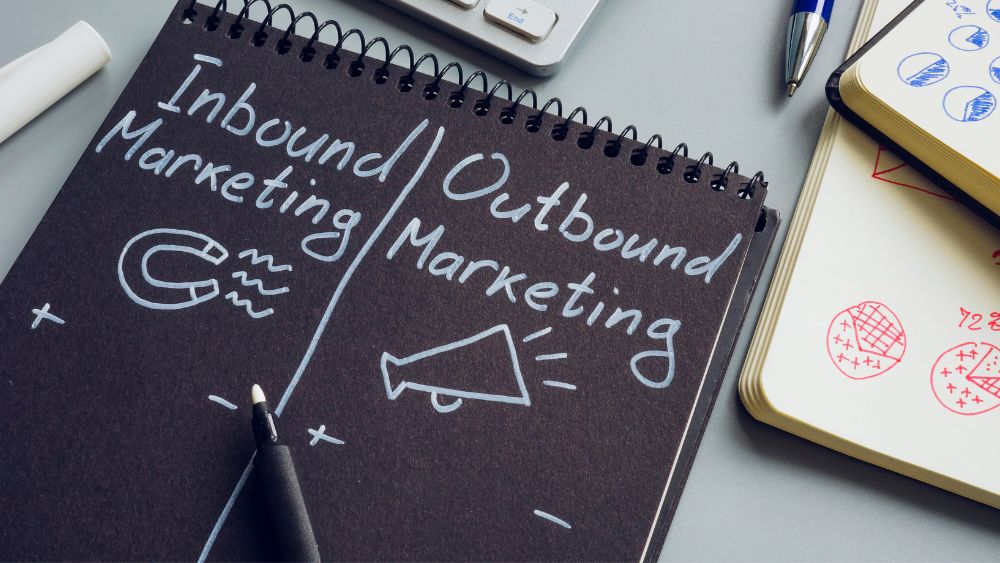
- Inbound Marketing is Consumer-Driven/Pull Marketing: It’s often said that inbound marketing earns attention or works like a magnet. Common examples of outbound marketing include Search engine optimization (SEO), blogging, social media content, educational webinars, and e-books.
- Outbound Marketing is Marketer-Driven/Push Marketing: On the other hand, outbound marketing buys attention, or works like a megaphone. Common examples include Cold emailing, cold calling, direct mail, trade shows, TV/radio ads, and pay-per-click (PPC) or display ads.
Paid Advertising is Traditionally Considered Outbound Marketing
Outbound marketing involves proactively putting a message in front of potential customers. Rather than waiting for people to discover your business on their own, you actively promote your products, services, or brand.
Most paid advertising falls into this category because the advertiser initiates the interaction by purchasing ad placements. Examples include display ads, video ads, and social media ads, like what you see on Facebook, Instagram, X, or LinkedIn.
Paid Search Campaigns Share Characteristics with Inbound Marketing
While paid search is still advertising, it works differently from many traditional outbound tactics. When someone searches for a product, service, or solution on a platform like Google or Bing, they are actively looking for information.
Because the user initiates the search, many marketers view paid search as having inbound qualities. Rather than interrupting the user, the ad appears in response to a specific need or question.
Social Media Advertising is Usually More Outbound
Most social media ads appear while users are browsing content, watching videos, or interacting with others on the platform. In many cases, the user was not actively searching for the product or service being promoted.
Although modern targeting can make social media advertising highly relevant, it is still generally considered an outbound marketing tactic because the advertiser is proactively placing the message in front of the audience.
Modern PPC Campaigns Often Blend Both Approaches
Many digital advertising campaigns combine elements of both inbound and outbound marketing. For example, a business might use social media ads to build awareness and then use paid search campaigns to capture users who later search for the brand.
As a result, paid advertising does not always fit neatly into a single category. The platform, targeting strategy, and user intent all influence whether a campaign behaves more like inbound or outbound marketing.
Build a PPC Strategy That Matches Your Marketing Goals
Understanding how different advertising channels fit into your overall marketing strategy can help you allocate your budget more effectively. An experienced PPC agency can help you determine which platforms and campaign types best support your goals. To be matched with a vetted agency, request a complimentary consultation.